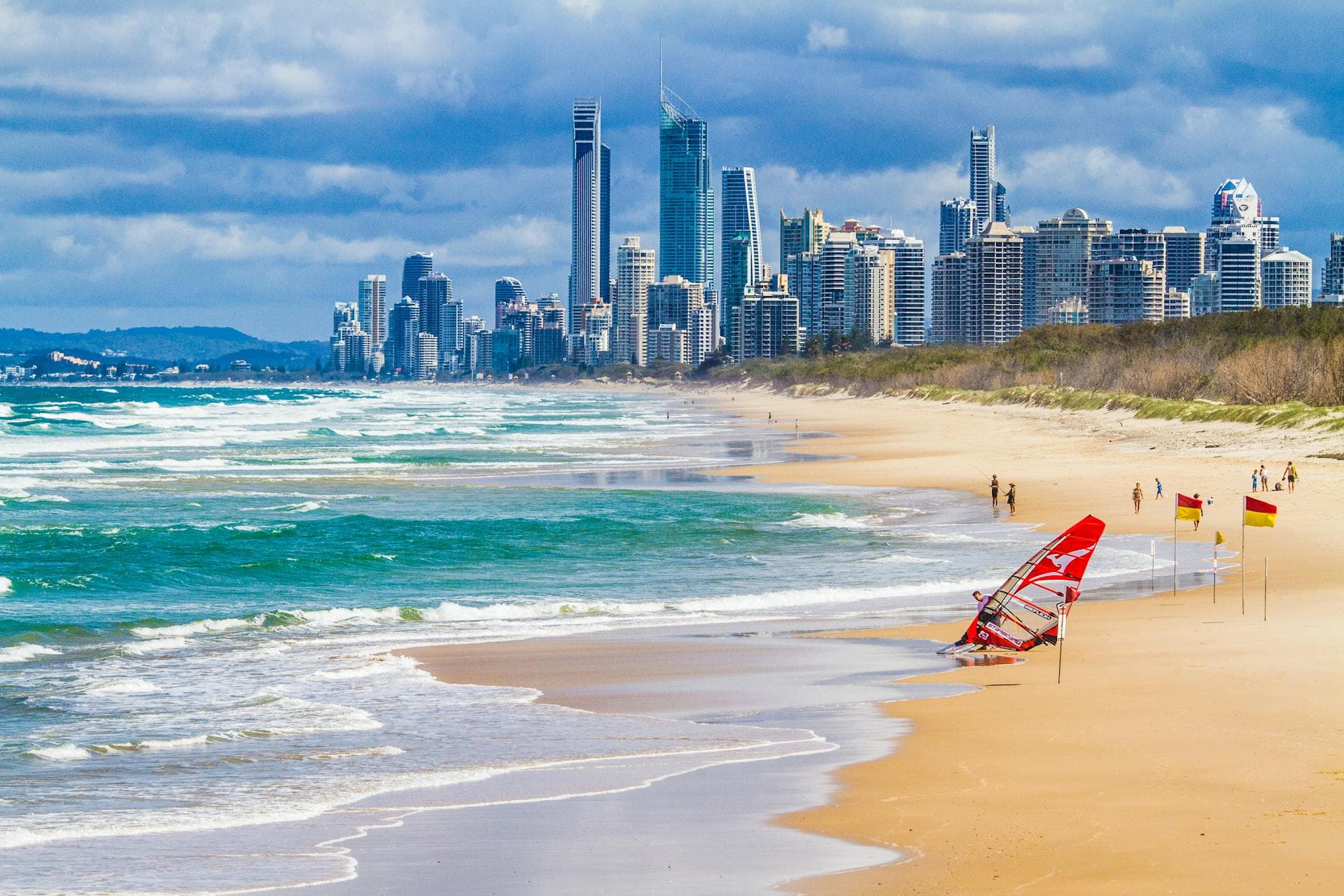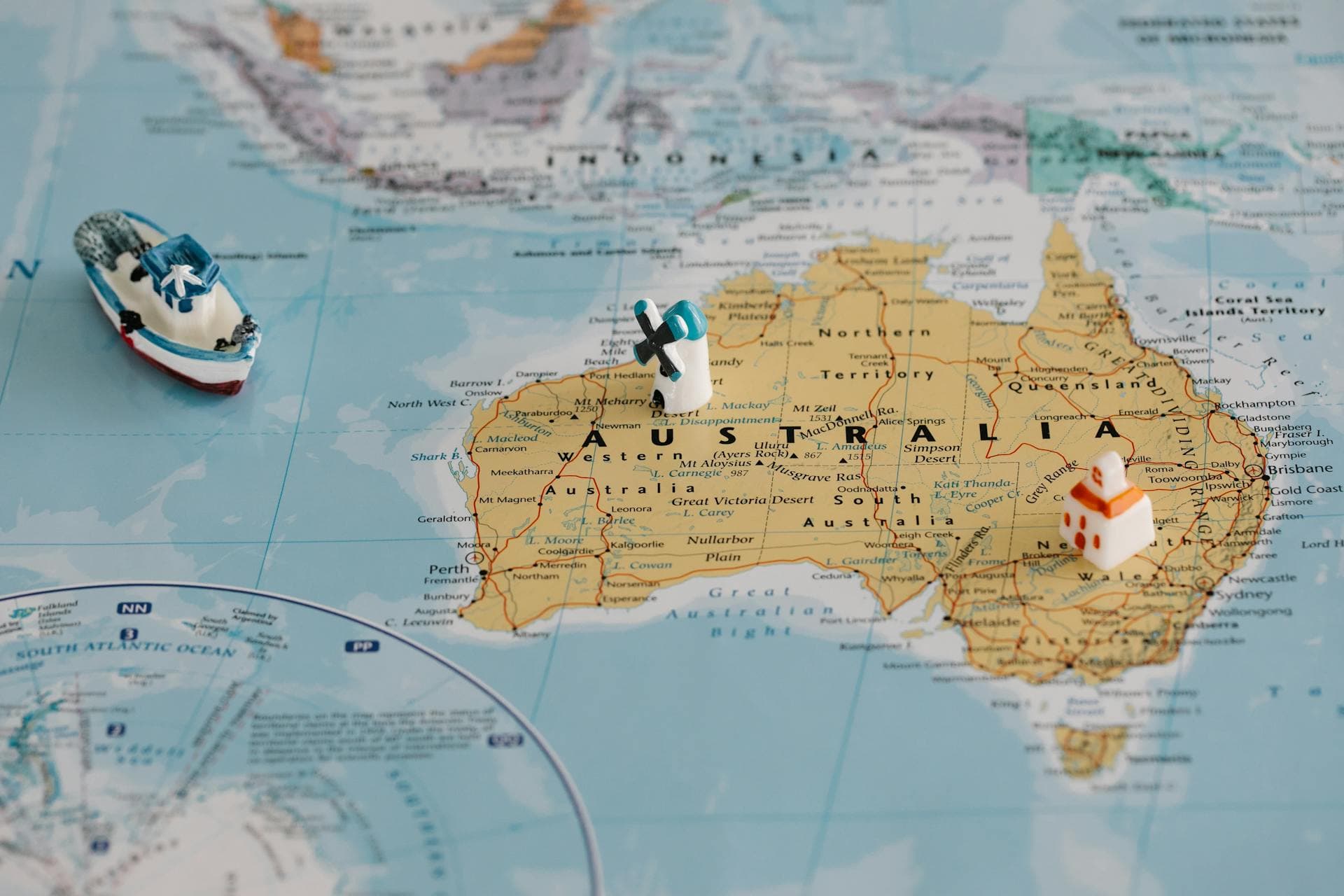
The best time to visit Australia depends on where you want to go and what kind of trip you want. Australia is huge, and the weather can feel completely different between the tropical north and the southern states. You could be dealing with humid summer storms in Queensland while Melbourne is having warm beach weather, or hiking in the Northern Territory’s dry season while the south is in the middle of winter.
That is why there is no single perfect month for every backpacker. The better question is what kind of trip you want. Beach days and festivals? Coastal road trips? Outback hikes? Reef trips? Cooler weather for walking? Once you know that, choosing the right season gets much easier.
This guide breaks Australia down by season so you can work out when to visit, where to go, what to do and what to expect as a backpacker.
When is the best overall time to visit Australia?
For many backpackers, spring and autumn are the easiest seasons to travel. The weather is generally milder, big tourist spots are often less crowded than summer, and it is usually more comfortable for long bus journeys, road trips, hiking and city exploring.
That said, every season has its strengths.
- Summer is best for beaches, coastal trips and major events, especially in the south.
- Autumn is great for shoulder-season travel, city breaks, wine regions and the Red Centre.
- Winter is ideal for the tropical north, the Outback and anyone wanting to avoid the worst heat.
- Spring is one of the best all-round seasons for road trips, hiking and mixing coast with inland travel.
Australia’s seasons at a glance
Summer (December to February)
In northern Australia, including Queensland and the Northern Territory, summer is hot, humid and often wet, with temperatures commonly ranging from 25°C to 33°C and sometimes higher. In the south, including New South Wales, Victoria, South Australia and parts of Western Australia, temperatures are usually around 20°C to 30°C, although heatwaves can push things much higher.
Summer is peak travel season for a reason. Schools are on holiday, beaches are busy, cities are full of events and the long daylight hours make it easy to pack a lot into each day. It is a strong season for the east coast, beach towns, surf spots and outdoor festivals.
The trade-off is that prices are usually higher and the busiest destinations can feel crowded, especially around Christmas, New Year and January.
Autumn (March to May)
Autumn is one of the most comfortable seasons to travel through much of Australia. In the north, temperatures often sit between 23°C and 31°C, with humidity starting to ease. In the south, days are generally mild at around 15°C to 25°C, with cooler evenings.
For backpackers, autumn is a sweet spot. The weather is still good in many regions, but the heavy summer crowds start to thin out. It is a good season for cities, food and wine regions, road trips and inland travel. It is also a better time for walking in places that can feel too hot in peak summer.
Winter (June to August)
Winter in the south can be cold, especially at night, with temperatures often around 10°C to 20°C, and even lower in alpine areas. Northern Australia is usually much more pleasant at this time of year, ranging from 15°C to 25°C, with cooler nights and drier conditions.
This is one of the best seasons to head north or inland. The tropical north is more manageable, the Red Centre is far more comfortable than in summer, and hiking becomes easier in many dry regions. Winter is also ski season in the Australian Alps.
For backpackers trying to avoid extreme heat and humidity, winter can be one of the smartest times to travel.
Spring (September to November)
Spring brings rising temperatures across the country, with northern regions often sitting between 20°C and 30°C and southern regions around 15°C to 25°C. Conditions are usually pleasant in many parts of Australia, which makes spring one of the strongest all-round seasons for backpacking.
It is a particularly good time for hiking, national parks, wildflowers, wildlife and road trips. Landscapes start to feel more alive again, and many destinations are warm without yet hitting the peak summer crowds.
Summer in Australia: best for beaches, festivals and east coast travel
Summer is the classic Australian travel season. If your dream trip involves swimming, surfing, hostel barbecues, road trips by the coast and long evenings outside, this is when that version of Australia is at its most obvious.
For backpackers, summer works best in the southern half of the country and on coastal routes where beach time is the point of the trip. It is a great time to be in Sydney, Melbourne, Tasmania and many parts of the east coast.
Why visit in summer?
Summer brings long days, a strong social atmosphere and plenty happening in major cities and beach towns. This is when Australia feels busiest and most energetic. Hostels tend to be lively, public events are common, and popular coastal routes are in full swing.
It is also a good season for first-time backpackers who want the more stereotypical Australia experience: beaches, road trips, surf towns and warm evenings.
Things to do in summer
- Beach hopping
Summer is made for beach travel. Backpackers can spend time swimming, surfing or just moving between coastal towns. Spots like Bondi, Manly, Byron Bay, the Gold Coast and the Sunshine Coast are especially popular. - Summer festivals and events
This is peak season for outdoor events, music festivals and city celebrations. New Year’s Eve in Sydney is one of the biggest drawcards, and summer generally brings a packed calendar of live music and social events around the country. - National park day walks
Many southern parks are ideal in summer, especially if you start early and carry enough water. Coastal and temperate regions can be especially rewarding at this time of year.
Best places to go in summer
Queensland
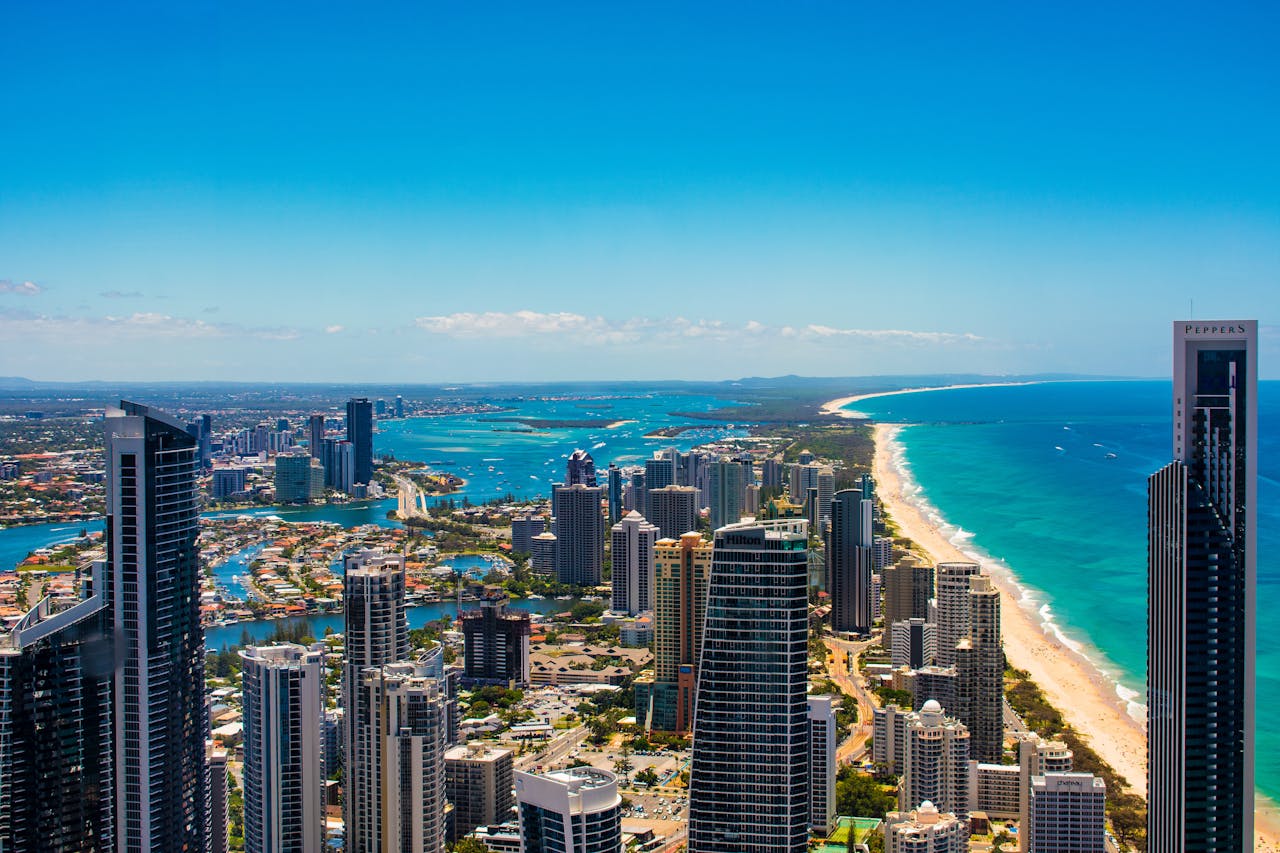
Queensland offers beaches, surf and lively summer energy, especially around the Gold Coast and Sunshine Coast. It suits backpackers who want warm weather, social hostels and easy access to beach towns.
Sydney
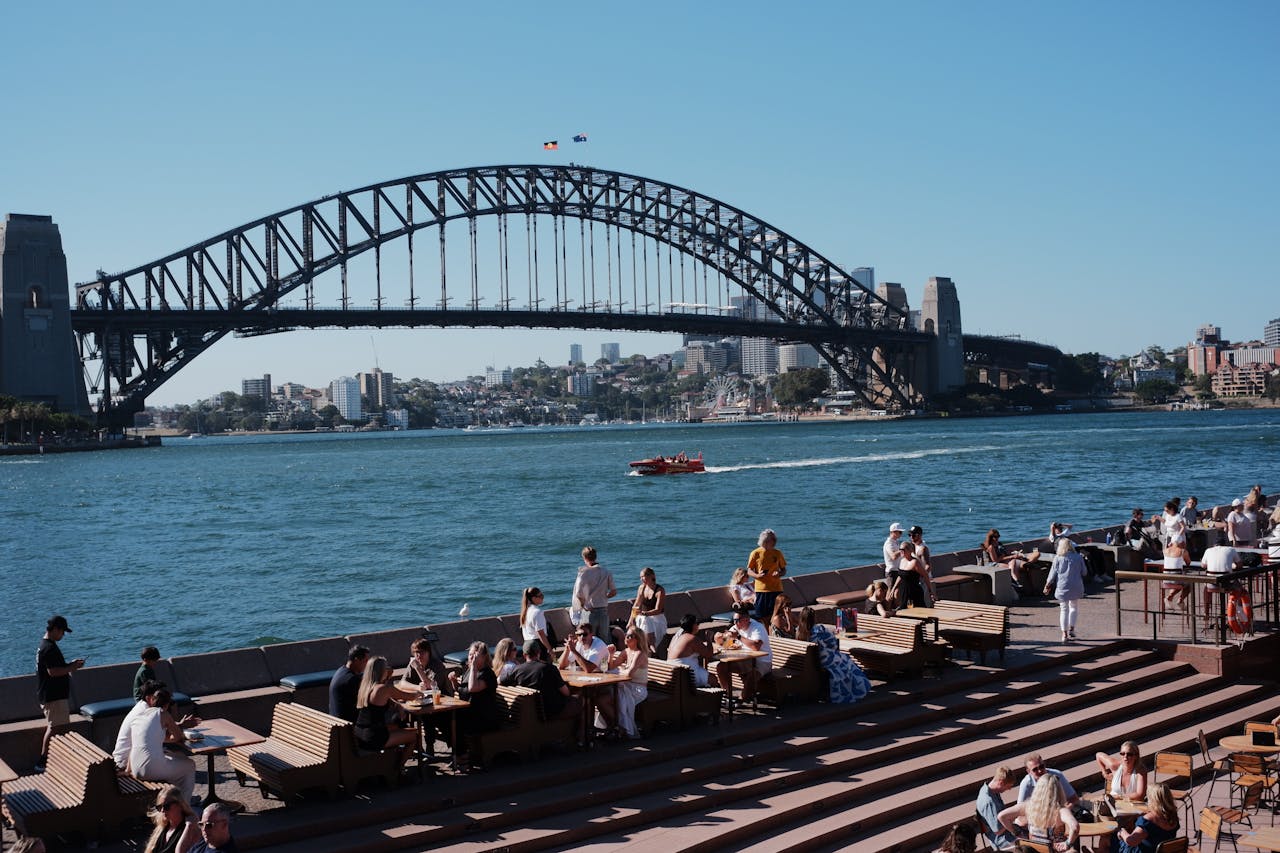
Sydney is at its busiest in summer, but it is also when the city feels most outdoorsy. Harbour views, beach days, coastal walks and open-air events all work well at this time of year.
Tasmania
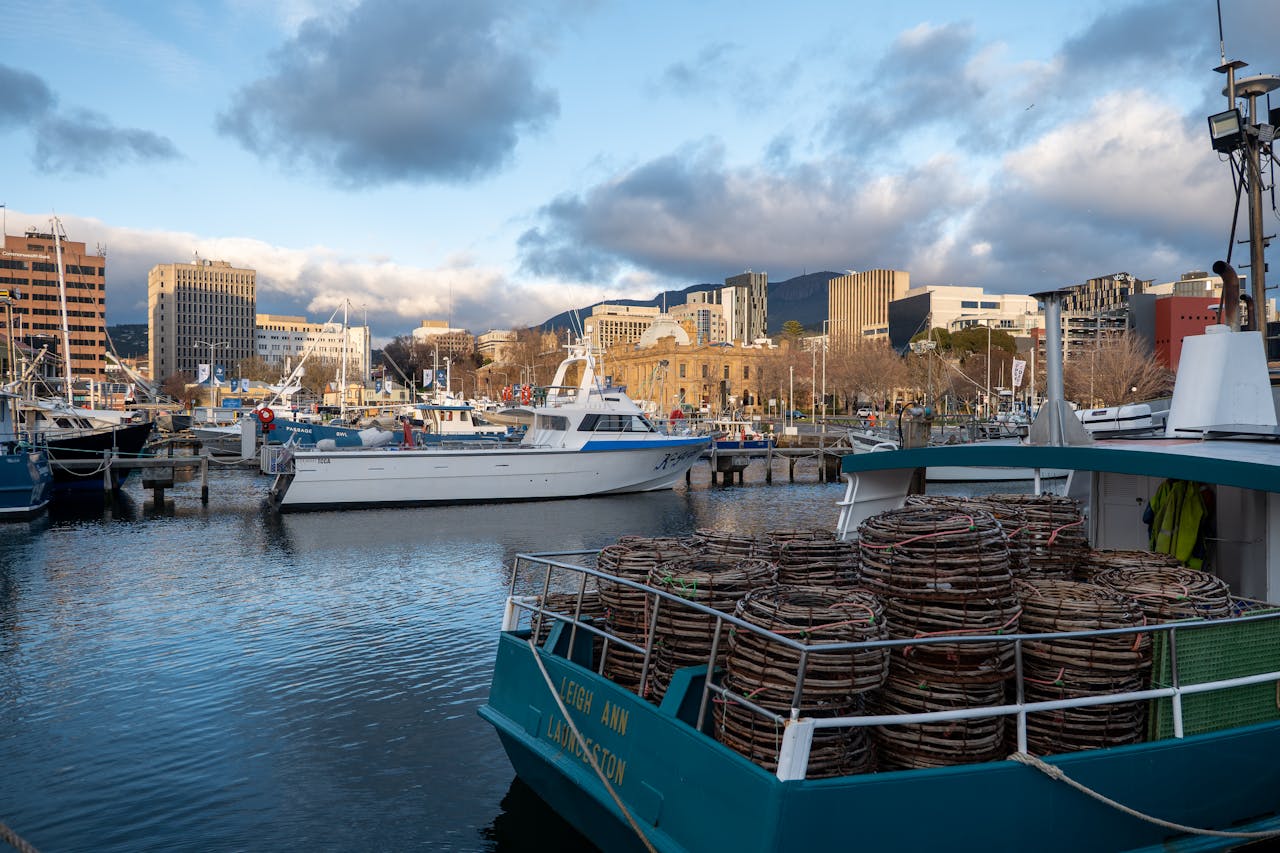
Tasmania is one of the best summer picks for backpackers who want milder weather and more hiking. It is a good option if mainland Australia feels too hot, especially for walking trips around Cradle Mountain or the east coast.
What to watch out for in summer
Summer can bring high prices, fully booked hostels and busier campsites. In some areas, especially inland, temperatures can become uncomfortably hot. If you are travelling on a budget, book early for the busy Christmas and January period.
Autumn in Australia: best for shoulder-season travel and the Outback
Autumn is one of the most underrated times to visit Australia. It usually gives backpackers a good mix of comfortable weather, fewer crowds and more manageable prices than the summer peak.
This is a strong season for travellers who want to mix cities with outdoor travel, or who want to head inland without dealing with the harshest heat.
Why visit in autumn?
Autumn feels easier. The weather is often more stable, popular places are less packed, and you can do more without feeling like every day has to revolve around avoiding the hottest part of the afternoon.
It is also a good time to explore cities like Melbourne, Sydney, Adelaide and Canberra, while still being able to take side trips into wine regions, coastal areas or the Red Centre.
Things to do in autumn
- Wine regions and food-focused trips
Autumn is a great time to visit regions like the Barossa Valley, McLaren Vale, Margaret River and the Hunter Valley. Even if wine is not your main focus, these areas often combine well with scenic drives, local food and a slower pace. - Wildlife spotting
Autumn is a good season for wildlife experiences, especially around island and coastal regions. Places like Phillip Island and Kangaroo Island are popular for seeing native animals in a more natural setting. - Festivals and cultural events
The shoulder season still brings plenty happening in Australia’s cities. For backpackers, autumn is a strong time to balance sightseeing with events, markets and local culture.
Best places to go in autumn
South Australia
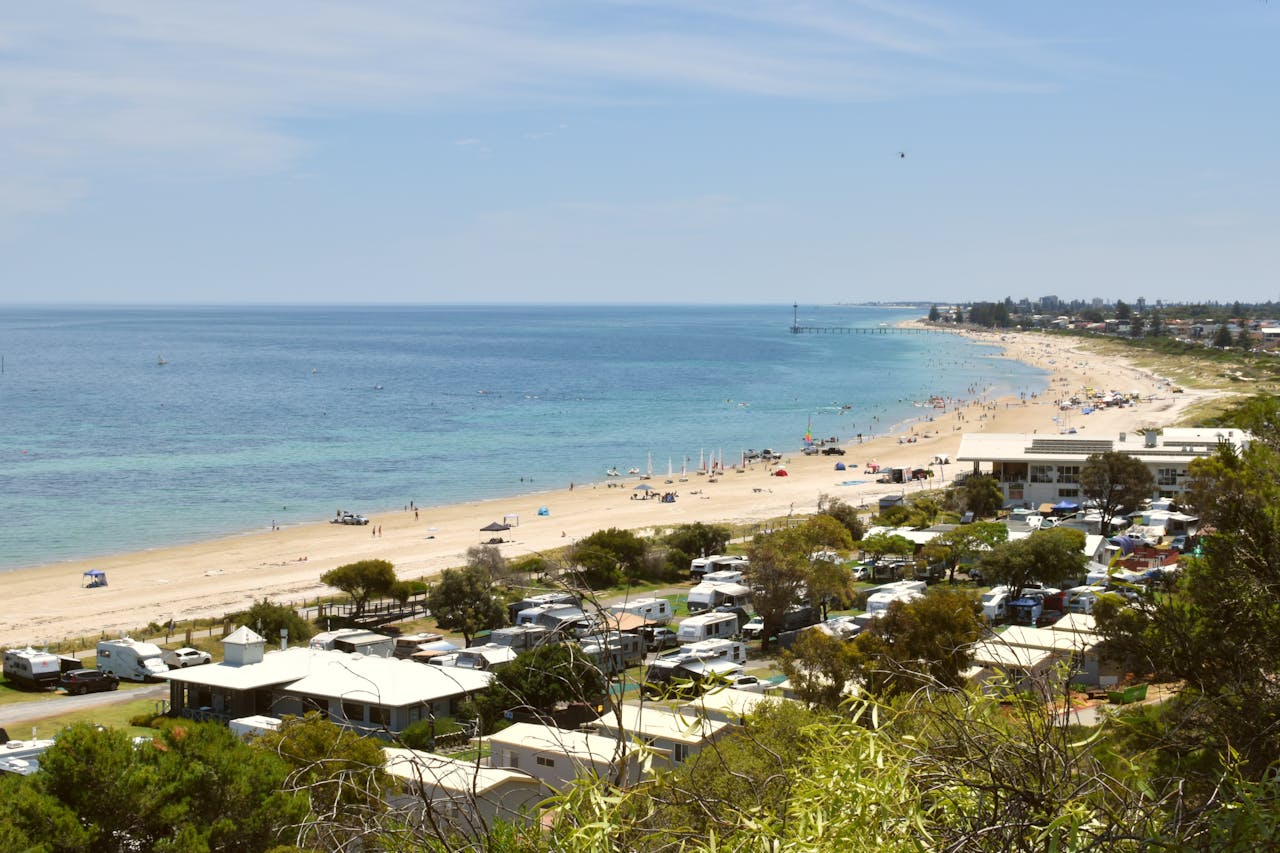
South Australia works well in autumn thanks to its wine regions, mild weather and easy combination of city and countryside. Adelaide is a good base if you want culture, food and day trips.
Northern Territory
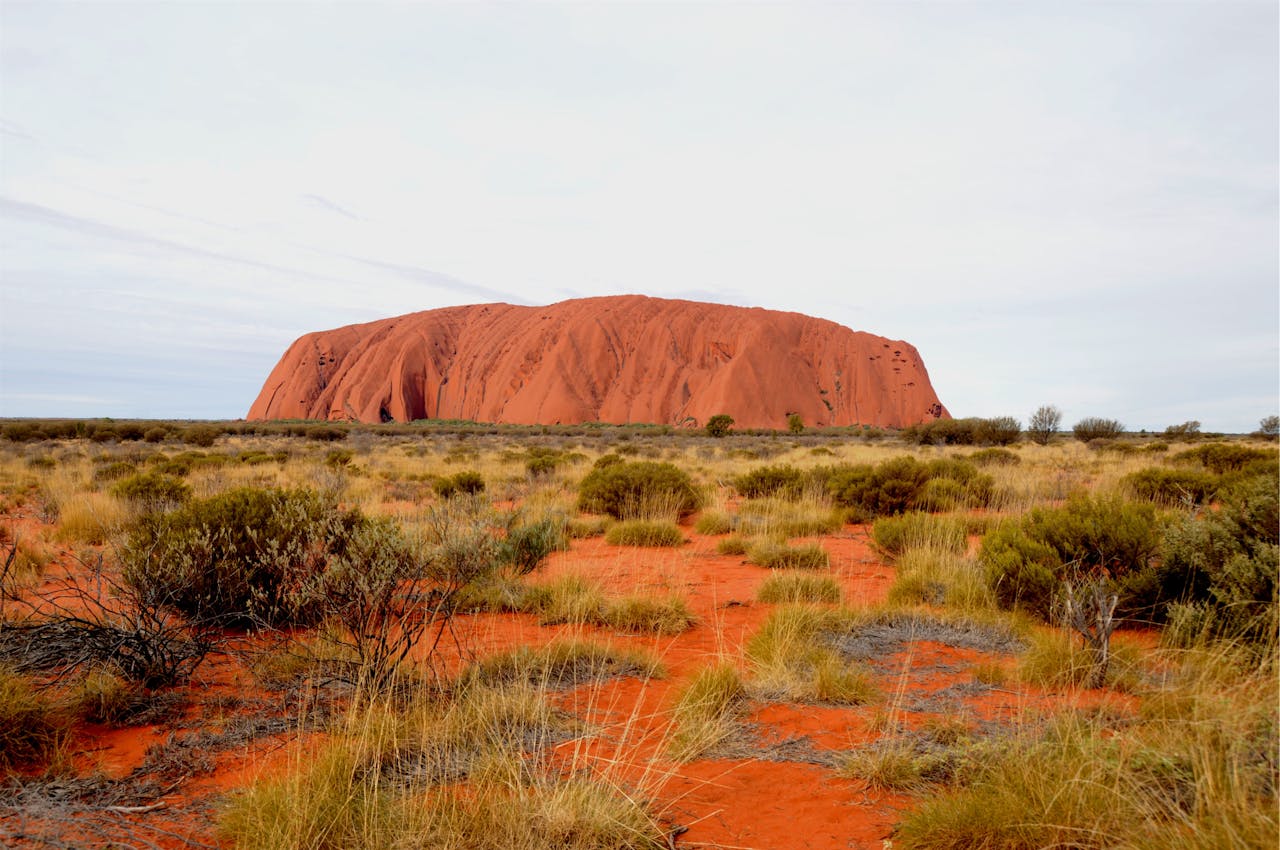
Autumn is a good time to visit the Red Centre, including Uluru and Kata Tjuta, when temperatures are generally more comfortable than the peak summer heat.
Canberra
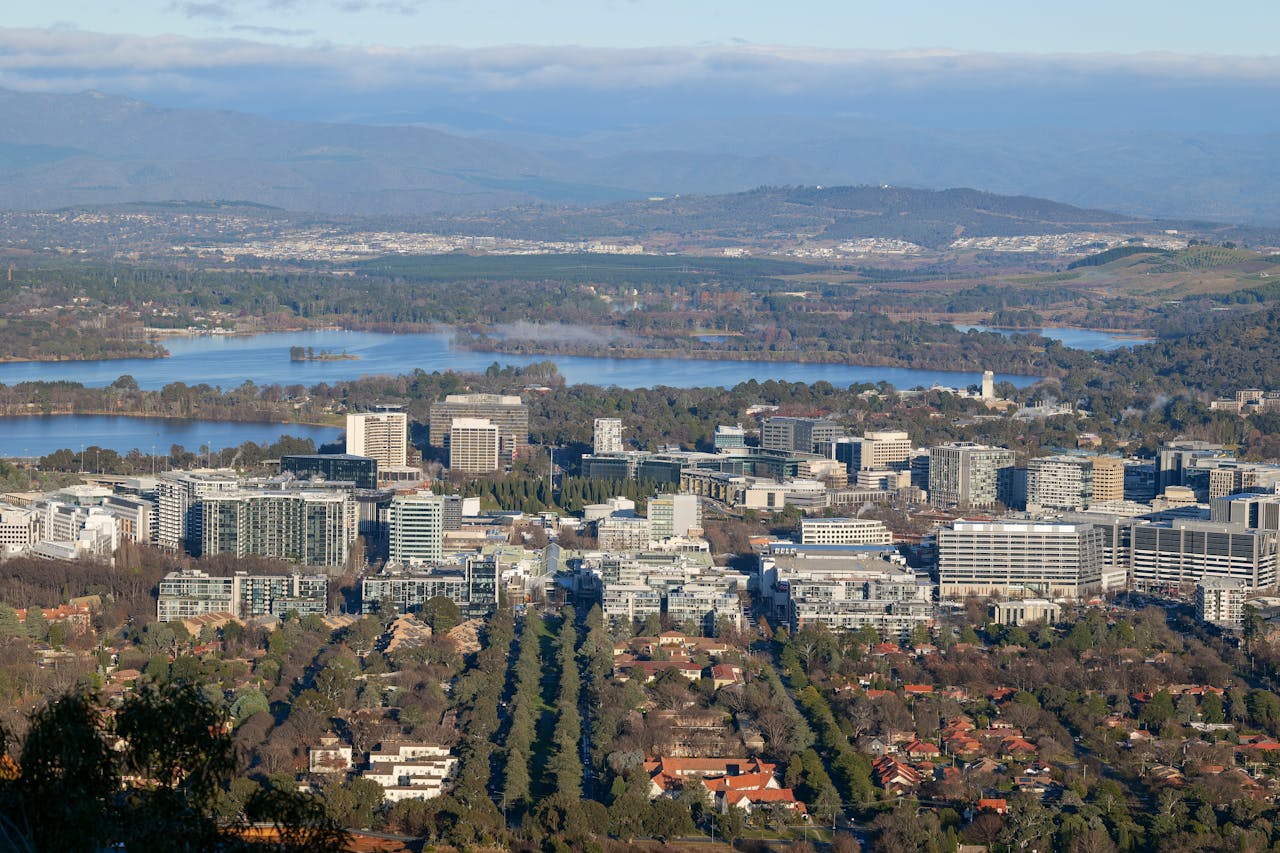
Canberra is often overlooked by backpackers, but autumn suits it well. The cooler weather and changing colours in the city’s parks and gardens make it a better stop than many travellers expect.
What to watch out for in autumn
Temperatures can still be warm in parts of the north, and some backpackers underestimate how cool evenings can get in the south. Pack layers, especially if you are camping or moving between regions.
Winter in Australia: best for the north, the reef and the Red Centre
Winter surprises a lot of travellers. While southern Australia can be cold, this is one of the best times to head to the north and the interior. It is dry season in parts of tropical Australia, which usually means more comfortable travel conditions and better timing for national parks and outdoor activities.
For many backpackers, winter is the best season for the Northern Territory, Tropical North Queensland and Outback trips.
Why visit in winter?
Winter gives you access to places that are harder to enjoy in the hotter, wetter months. Hiking becomes easier, road trips feel less draining, and the tropical north is generally more pleasant than it is in peak wet-season conditions.
It is also a good time to escape the colder south by moving north instead of avoiding Australia altogether.
Things to do in winter
- Explore the Red Centre
Winter is one of the best times for Uluru, Kata Tjuta and other inland highlights. The cooler temperatures make walking and sightseeing far more manageable. - Visit the tropical north
Northern Queensland and the Top End are popular in winter because conditions are drier and more comfortable. That makes it a strong season for reef trips, rainforest stops and national parks. - Ski or snowboard in the Alps
If you want a different kind of Australia trip, winter is ski season in the Snowy Mountains and Victoria’s alpine region. It is not the usual backpacker route, but it can be a fun addition if you are already in the south.
Best places to go in winter
Snowy Mountains
For snow sports, Thredbo and Perisher are the main drawcards. This suits backpackers looking for winter action rather than beach travel.
Tropical North Queensland
Cairns and the Great Barrier Reef are popular in winter because the weather is milder and the region is easier to explore than during the wetter months.
Northern Territory’s Top End
Kakadu, Litchfield and the wider Top End are much more appealing in the dry season. This is one of the best times to see waterfalls, wildlife and big northern landscapes.
What to watch out for in winter
Southern nights can be very cold, especially if you are camping. Some backpackers arrive expecting Australia to be warm everywhere year-round and get caught out. Bring proper layers if you are travelling through Victoria, Tasmania, Canberra or alpine regions.
Spring in Australia: best all-round season for backpackers
If you want one season that works well across a lot of the country, spring is hard to beat. Conditions are often warm without being too intense, and it is a great time for hiking, road trips, wildlife and national parks.
Spring is especially good for backpackers who want flexibility. You can combine city time, coastal travel and inland exploring more easily than in the extremes of summer or winter.
Why visit in spring?
Spring has a good balance. It is warm enough for outdoor travel in many places, but not usually as crowded or expensive as the summer peak. Flowers are out, landscapes feel greener in many regions, and the weather is well suited to being active.
Things to do in spring
- Hiking and national parks
Spring is a great season for walking, especially in places like the Grampians, Blue Mountains, Dandenong Ranges and coastal national parks. - Outdoor activities
For backpackers who want to stay active, spring works well for kayaking, snorkelling, road trips and day hikes without the worst heat. - Wildlife encounters
Spring is often associated with baby animals and more active wildlife. It can be a rewarding time for visiting wildlife parks or travelling through national park areas.
Best places to go in spring
East Coast
Spring is a strong time for the east coast, including the Whitsundays and the Great Barrier Reef. It suits backpackers who want beaches, hostels, island trips and coastal travel.
Victoria
Melbourne and regional Victoria are good in spring, especially for road trips, gardens, events and routes like the Great Ocean Road.
Western Australia
Spring is famous for wildflower season in parts of Western Australia. It is a good pick for backpackers looking for something a bit different from the usual east coast route.
What to watch out for in spring
In the far north, humidity can start rising again as the wet season approaches. If your route includes both southern and northern Australia, check regional weather rather than assuming the whole country behaves the same way.
The wet season: should backpackers avoid it?
Not necessarily. The wet season in northern Australia and Tropical North Queensland usually brings heavier rain, tropical storms, higher humidity and lush landscapes. It can make some trips harder, but it can also make them cheaper and quieter.
For backpackers on a tighter budget, the wet season can be worth considering if you are flexible and do not mind occasional disruption.
Why some backpackers still travel in the wet season
The biggest advantage is lower cost. In some areas, accommodation and tours are cheaper during the low season, and there are usually fewer tourists around.
The landscapes can also look completely different. Waterfalls are fuller, vegetation is greener and stormy skies can be part of the experience.
When the wet season works best
The wet season suits backpackers who are happy to slow down, stay flexible and focus more on atmosphere than on ticking off every attraction. It works less well for people on a tight schedule who need perfect conditions every day.
Best time to visit Australia based on your travel style
For beaches and surf
Summer and spring are usually the strongest picks, especially in the south and along the east coast.
For hiking and national parks
Spring and autumn are generally the most comfortable, though winter is better for some northern and inland areas.
For the Outback and Red Centre
Autumn and winter are usually better than summer, when the heat can be intense.
For the Great Barrier Reef and tropical north
Winter and spring are often the easiest seasons for travel, with more comfortable conditions than the wetter months.
For budget backpacking
Shoulder seasons like autumn and spring are often the best balance of weather, availability and price.
For road trips
Spring and autumn are the easiest all-round road trip seasons because the weather is more moderate across more of the country.
Final thoughts
The best time to visit Australia as a backpacker depends less on the calendar and more on the kind of trip you want to build. Australia is not a one-season destination. It is a country where the ideal timing changes by region, route and travel style.
If you want an easy all-round answer, spring and autumn are usually the safest bets. If you are heading north, winter often makes more sense. If you want beaches, surf and the classic social backpacker atmosphere, summer is still a popular choice.
The smartest way to plan is to match the season to the part of Australia you actually want to see. Do that, and your trip will be much easier, more comfortable and far more rewarding.