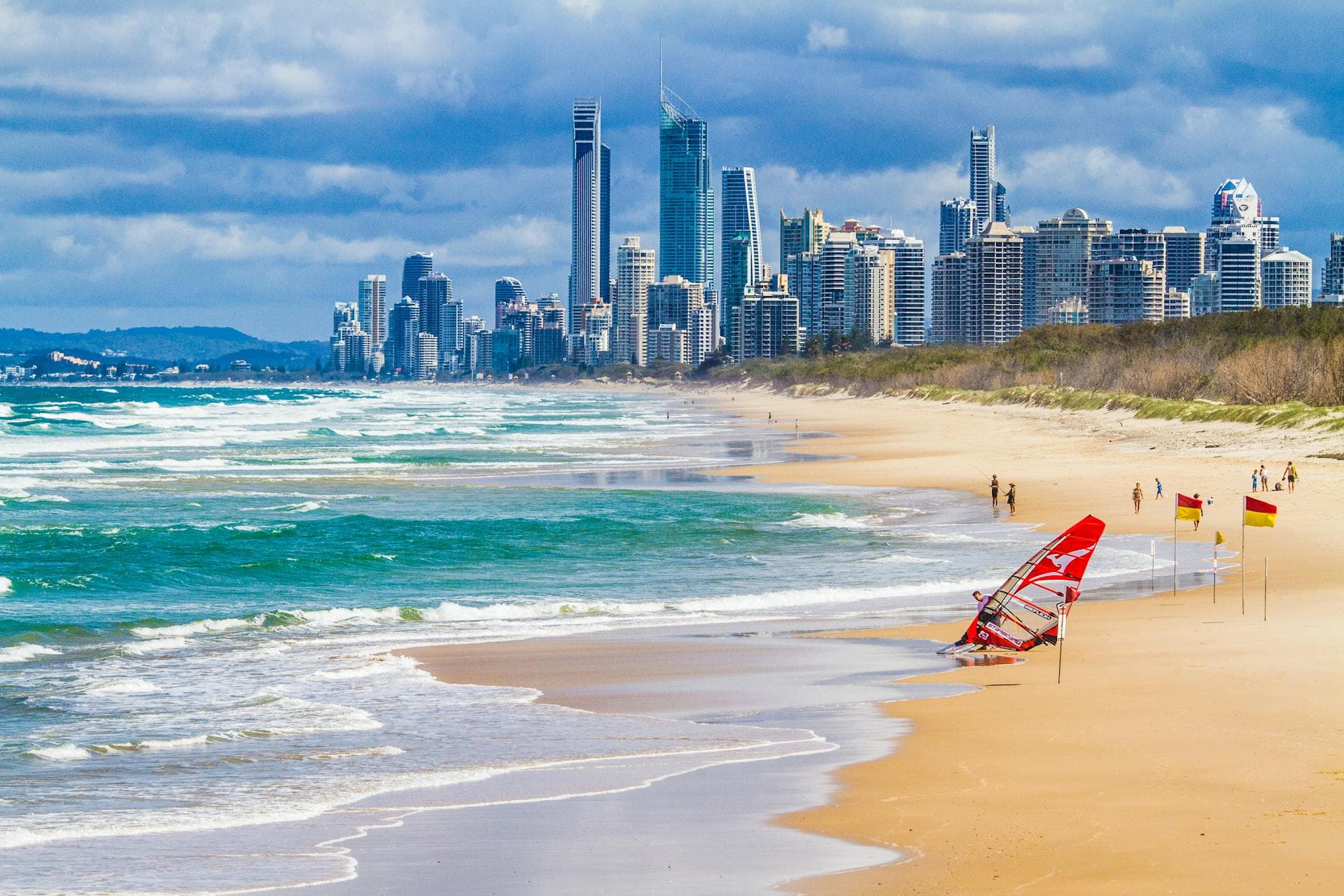
Australia’s East Coast is one of the classic backpacking routes for a reason. It links major cities, beach towns, national parks, reef trips, island adventures, and plenty of hostel stops in between. Whether you are planning a fast Sydney to Cairns trip or a slower road trip with extra detours, this guide covers the basics you actually need: where to go, how long to allow, how to get around, where to stay, and what kind of budget to expect.
The route stretches for more than 4,000 kilometres, so it helps to plan around your time, budget, and travel style. Some travellers do it in four weeks. Others take two or three months and stop everywhere they can. Both work. The best version is the one that fits your pace.
Why backpackers love the East Coast
The East Coast is easy to travel, well set up for backpackers, and packed with variety. You can spend one week in cities, the next on islands, and the week after snorkelling the reef or hiking through rainforest.
A few of the main reasons it stays so popular:
- It is ideal for road trips, bus passes, and flexible travel plans
- There is a strong backpacker network of hostels, tours, and social stops
- You can mix beaches, cities, nature, nightlife, and adventure without going far off route
- Big highlights like the Great Barrier Reef and the Whitsundays sit alongside smaller beach towns and national parks
- The climate changes a lot from south to north, so there is usually a good stretch of coast to travel at most times of year
Best places to visit on the East Coast
There are plenty of good stops along the way, but a few places almost always make the shortlist for backpackers.
Sydney: The harbour city

Sydney is where many East Coast trips begin. It is bigger, busier, and more expensive than most other stops, but it is worth a few days. You have the Opera House, Harbour Bridge, city beaches, coastal walks, and easy ferry trips that give you a lot without needing a car.
For backpackers, Sydney works best if you balance the big sights with a few lower-cost days. Walk the Bondi to Coogee track, spend time around Circular Quay, catch a ferry to Manly, and explore areas like Newtown or Surry Hills for food and nightlife.
Byron Bay: Laid-back paradise
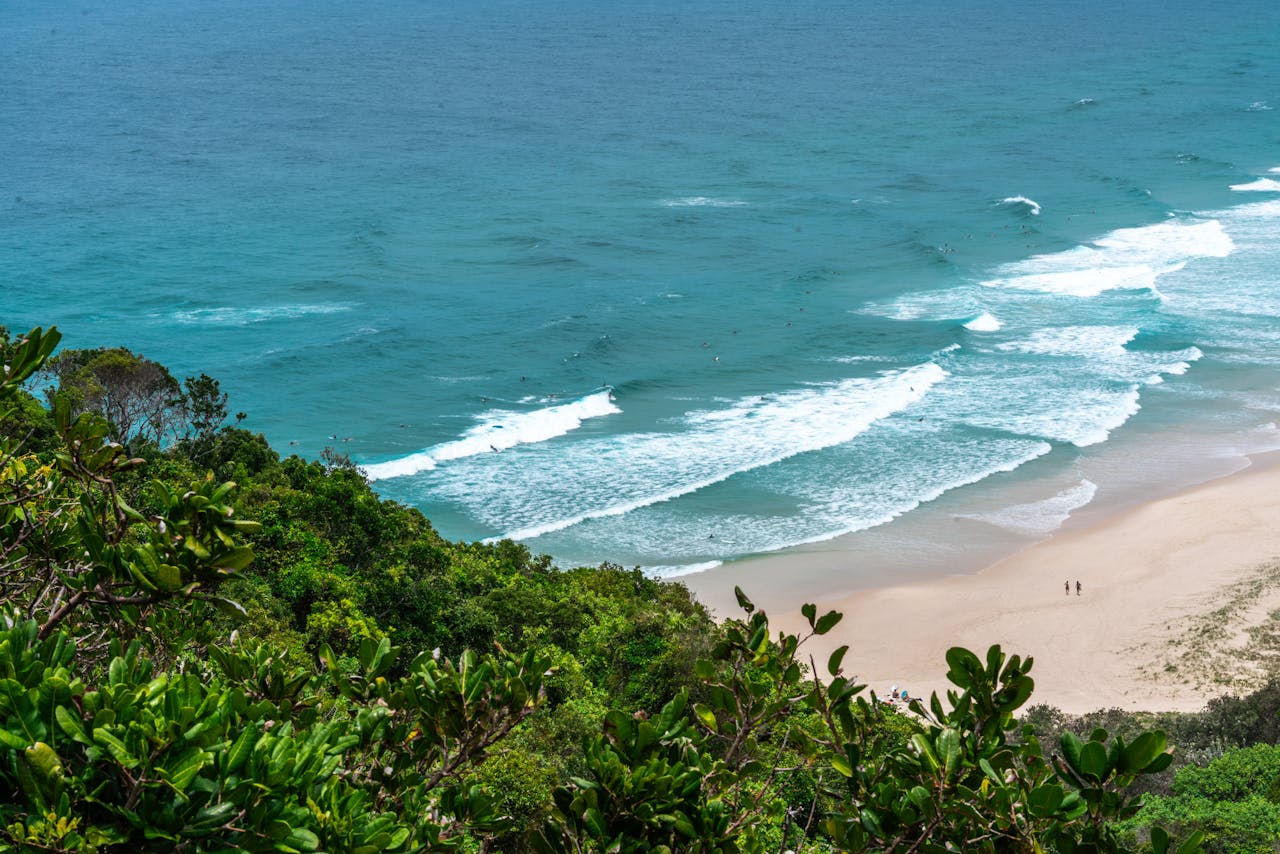
Byron Bay is one of the most popular stops for backpackers heading north. It has a relaxed social feel, good surf, busy hostels, and enough cafés, walks, and beaches to fill a few easy days.
It suits travellers who want a break from bigger cities, but it is not just a place to slow down. The Cape Byron Lighthouse walk is one of the best short walks on the East Coast, and the town has a strong backpacker scene that makes it easy to meet people.
K’gari (Fraser Island): Adventure awaits
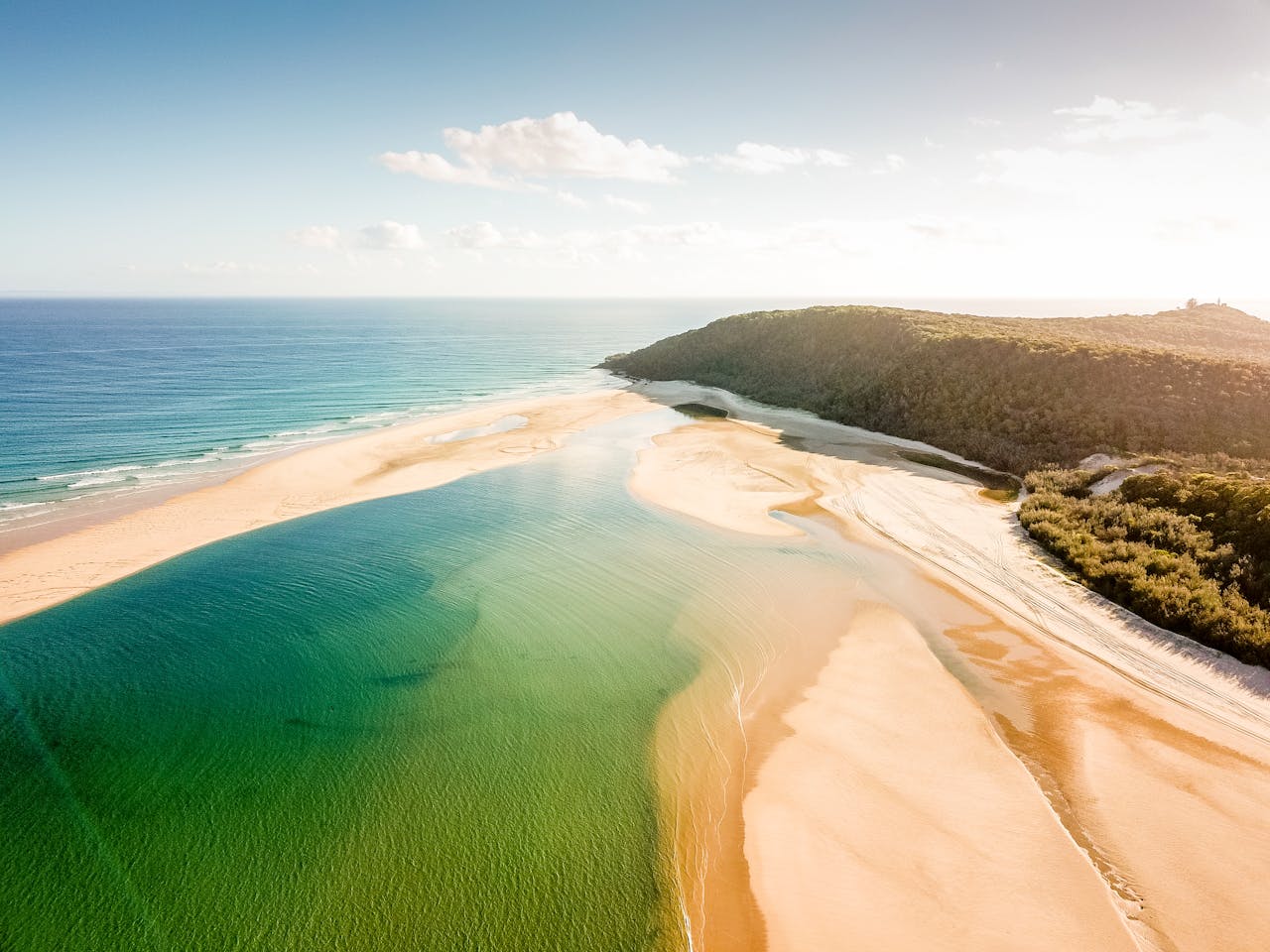
K’gari (Fraser Island) is one of the standout adventure stops on an East Coast route. Known as the world’s largest sand island, it is famous for 4WD tracks, freshwater lakes, rainforest, wild dingo sightings, and long beach drives.
For most backpackers, this is a tour stop rather than a DIY stop. Group trips are common, social, and usually the easiest way to see the island properly if you are travelling without your own vehicle.
The Whitsunday Islands: Tropical paradise
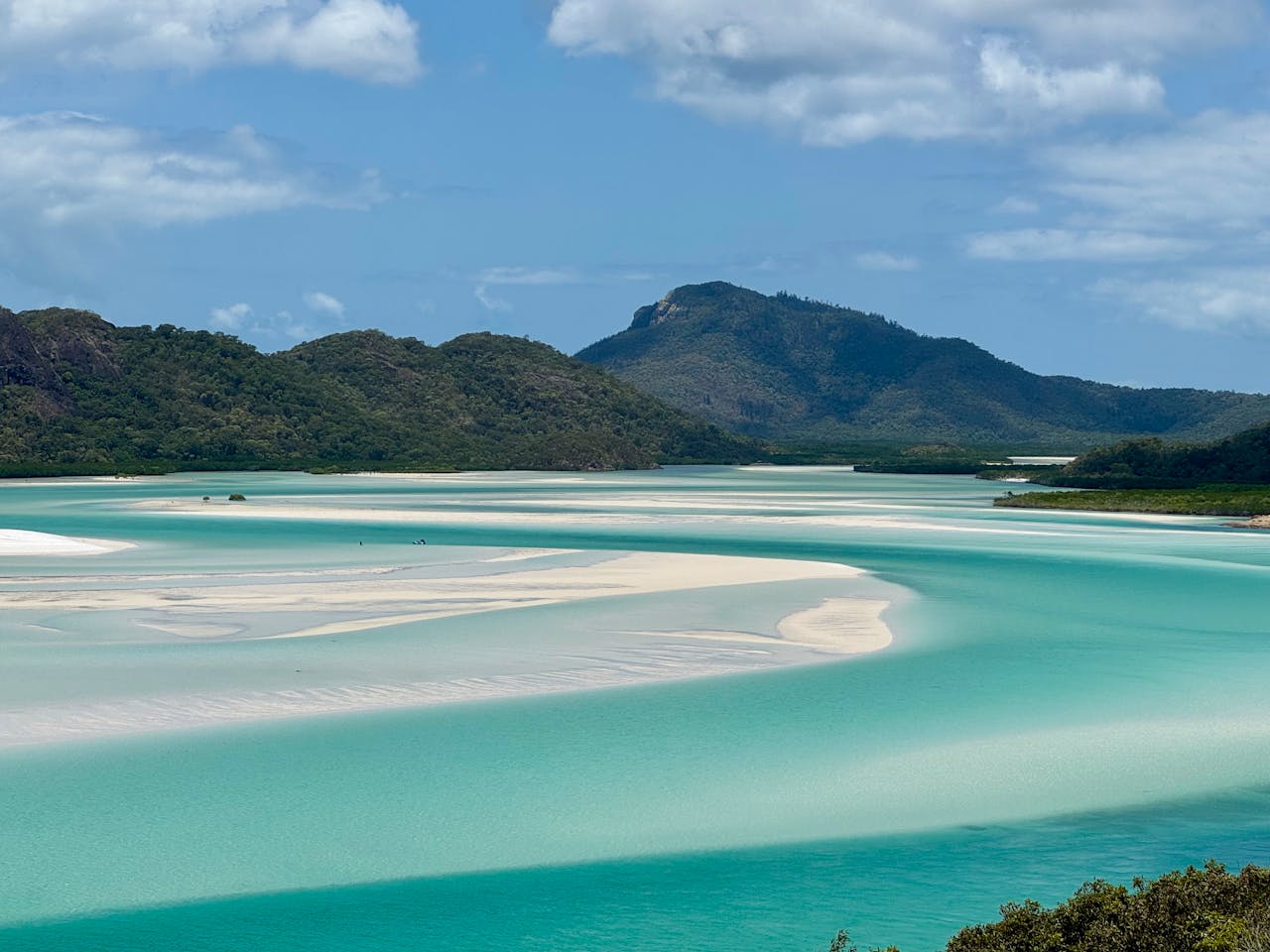
The Whitsundays are a classic East Coast highlight. This is where many backpackers book a sailing trip, spend a day on Whitehaven Beach, or snorkel around islands and reef sites.
It is not the cheapest stop on the route, but it is one of the most memorable. If your budget is tight, it is worth planning ahead so you can keep room for at least one boat trip.
Cairns & the Tropical North: Gateway to the Great Barrier Reef
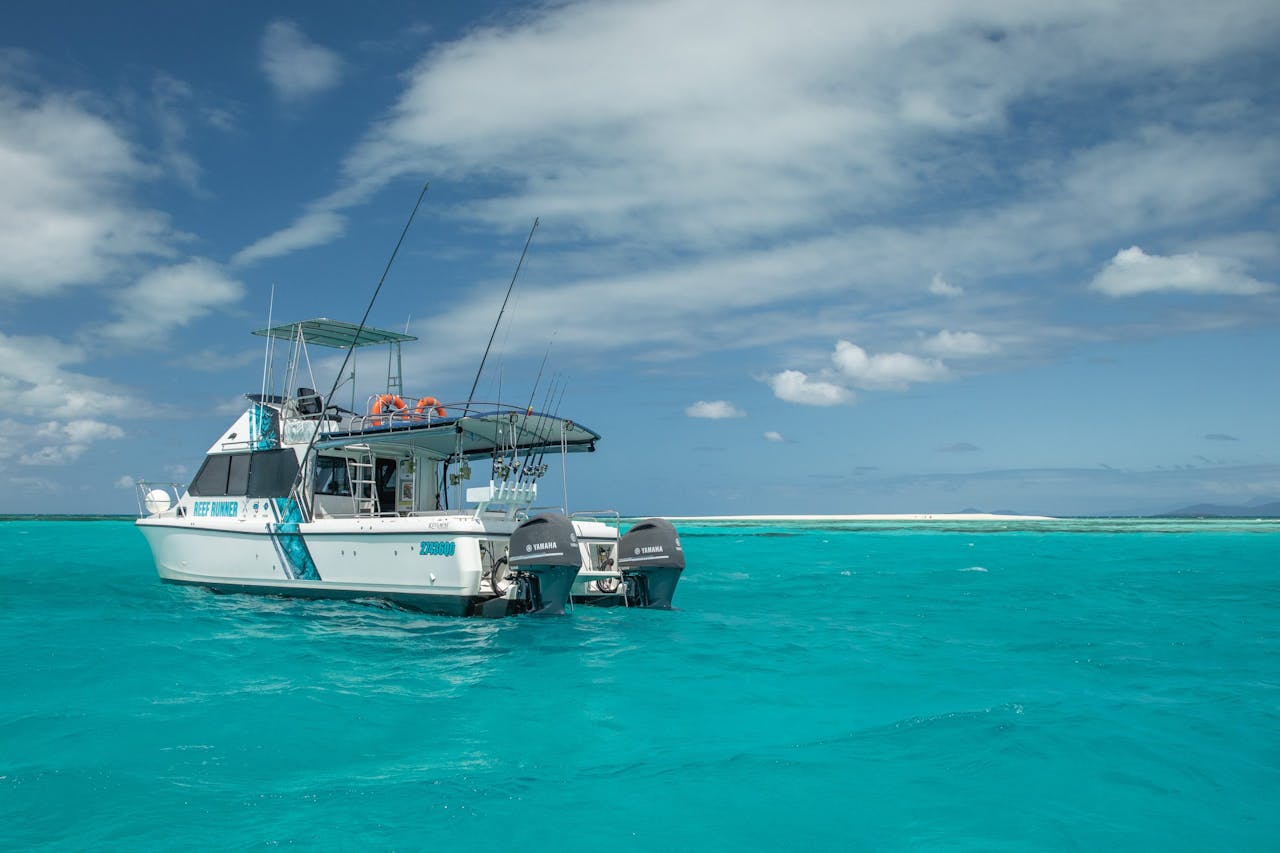
Cairns & the Tropical North is the northern anchor point for many East Coast backpacking trips and the main base for reef tours. It is also a good place to organise trips into the Daintree, waterfalls, and rainforest areas inland.
Unlike Sydney or Byron, Cairns is built heavily around tours and backpacker travel, so it is usually easy to find hostels, day trips, and social nights out. It is one of the best places on the route for travellers who want diving, snorkelling, rafting, or other activity-based stops.
How long do you need for East Coast Australia?
A full East Coast trip can take anywhere from four weeks to three months, depending on how much ground you want to cover.
4 weeks
Four weeks is enough to see the major stops if you move fairly quickly. This suits travellers who want the headline experiences, such as Sydney, Byron Bay, K’gari, the Whitsundays, and Cairns, without spending too long in one place.
It works, but it can feel rushed. You will need to be selective and stay organised with transport.
6 weeks
Six weeks is a more comfortable timeframe for most backpackers. It gives you more space for rest days, a few side trips, and time to actually enjoy places rather than just pass through them.
This is often the sweet spot if you want a trip that still covers the main highlights without turning into a constant transport schedule.
2 to 3 months
If you have the time, a longer trip lets you add smaller towns, national parks, volunteer stays, working breaks, or extended hostel time. This suits travellers doing a working holiday or anyone who prefers a slower pace.
A longer route also makes it easier to wait for weather windows for tours, especially around the reef or islands.
Budget accommodation on the East Coast
Accommodation can take a big chunk of your budget, so where you stay matters.
Hostels
Hostels are still the easiest and most common option for backpackers on the East Coast. They are affordable, social, and usually close to transport or town centres. Dorms are the cheapest choice, but many hostels also offer private rooms if you want a break from shared spaces.
They also help with the practical side of travel. Many can help you book tours, bus passes, or onward transport, and they are one of the easiest ways to meet other travellers.
Airbnb and private stays
If you want more privacy, short-term rentals can work well, especially if you are travelling as a pair or small group. Prices vary a lot by location, but staying slightly outside the centre can sometimes reduce costs.
This option makes more sense for longer stays than for one-night stopovers.
Camping
Camping is one of the cheapest ways to travel the coast if you already have gear or are travelling by car or campervan. There are campgrounds in national parks, beachside caravan parks, and regional stopovers all along the route.
It is a good option for travellers doing a road trip, but less practical if you are relying on buses and hostel check-ins.
How to get around the East Coast
There is no single best way to travel the East Coast. The right choice depends on your budget, timeframe, and how flexible you want to be.
Buses
Buses are the most common backpacker option. They are simple, relatively affordable, and connect the main stops well. Hop-on, hop-off style passes can work well if you want flexibility without needing to hire a vehicle.
This is usually the easiest choice for solo travellers.
Trains
Trains are less common for a full East Coast backpacking route, but they can be a comfortable option on some sections. They are often more relaxed than buses and can be a good way to break up a longer journey.
They usually make more sense for selected legs than for an entire coast trip.
Car or campervan hire
Hiring a car or campervan gives you the most freedom. It is ideal if you want to stop in smaller towns, beach camps, and national parks that are harder to reach on public transport.
The downside is cost. Fuel, insurance, parking, and one-way fees can add up quickly, so it usually works best if you are splitting costs with other travellers.
Ridesharing
Ridesharing can be a cheaper and more flexible way to move between towns, especially if you are open to changing plans. It can also be a social option, but it is worth being careful and using common sense when travelling with strangers.
Domestic flights
Flights can save time if you are short on weeks or want to skip a long stretch. They are not always expensive if booked early, especially between major cities and Cairns.
They make the most sense when time matters more than the overland experience.
Best time to backpack the East Coast
The most popular time to travel the East Coast is from April to October. For many backpackers, this gives the best balance of manageable weather, easier travel conditions, and a good social atmosphere.
Summer: December to February
Summer brings heat, humidity, and busier travel conditions, especially further north. It is a lively time to travel, but it can also mean higher prices and more crowded hostels and tours.
Autumn: March to May
Autumn is a strong option for East Coast travel. Temperatures start to ease, conditions are often more comfortable for outdoor travel, and prices can be a bit easier than peak periods.
Winter: June to August
Winter is popular for backpackers, especially those heading north. Southern areas can be cooler, but much of the route is still very travel-friendly. It is also a good season for whale watching in some coastal areas.
Spring: September to November
Spring is another strong choice, with mild temperatures and good conditions for national parks, beach time, and reef trips. It is a good all-round season if you want a balance of weather and manageable crowd levels.
Unique experiences worth adding to your trip
Some East Coast experiences are obvious, but a few stand out if you want to add something different to your route.
Visit the Daintree Rainforest
The Daintree is one of the oldest rainforests in the world and a very different experience from the beach-focused parts of the East Coast. It is a good add-on from Cairns if you want rainforest walks, river crossings, wildlife, and something less hostel-centred for a day or two.
See bioluminescence in Jervis Bay
At certain times of year, bioluminescent plankton can light up the water around Jervis Bay. It is not a guaranteed sighting, but when conditions line up it is one of the more unusual things you can experience on an East Coast trip.
Add an adrenaline stop on the Gold Coast
The Gold Coast is a solid stop for travellers who want nightlife, beaches, surf, and easy access to big attractions. It is also a good place for theme parks, skydiving, and other high-energy activities.
Popular activities for East Coast backpackers
A good East Coast trip usually mixes a few big-ticket experiences with cheaper days in between.
Explore the Great Barrier Reef
For many travellers, this is the main reason to head north. Whether you snorkel, dive, or take a boat trip, the reef is one of the biggest drawcards on the route.
Do a coastal road trip
Driving sections of the coast gives you more control over your schedule and opens up smaller stops you would miss by bus. It is one of the best ways to build a trip around beaches, lookouts, and national parks.
Hike in national parks
The East Coast has no shortage of national parks, from coastal tracks to rainforest walks and mountain lookouts. Hiking is also one of the easiest ways to keep your daily costs down.
Balance cities with smaller towns
A route works better when you do not stay only in the obvious big places. Cities like Sydney are worth it, but the smaller beach towns and nature stops are often what make the trip feel more memorable.
Typical backpacker costs
Your budget can vary a lot depending on transport style, tour choices, and how often you eat or drink out, but these are rough expectations for budget-conscious travel.
Accommodation
Accommodation is one of the easiest places to either save money or blow your budget. Dorm beds usually sit around A$25 to A$40 per night, though prices can climb in popular spots such as Byron Bay, Sydney, and the Whitsundays, especially during busy periods. Private hostel rooms or simple budget private rooms often start at around A$60 to A$100 per night, but can go higher in tourist-heavy areas.
If you are trying to keep costs down, staying in dorms, booking ahead for busy destinations, and avoiding last-minute weekend rates can make a real difference. It is also worth checking what is included. A hostel with a decent kitchen, free breakfast, or organised social nights can save you more than a slightly cheaper place with no useful extras. For longer stays, weekly rates or work-for-accommodation setups can sometimes help stretch your budget further.
Transport
Transport is one of the main costs on an East Coast trip because the distances are long and travel days add up quickly. If you are moving between all the major stops, expect a decent chunk of your budget to go on buses, trains, fuel, or flights. Bus passes can be one of the most cost-effective options for solo travellers, especially if you want a straightforward route without hiring a vehicle.
Car or campervan hire gives you more freedom, but the base rental cost is only part of it. You also need to think about fuel, insurance, parking, and any one-way drop-off fees. That option usually makes better value if you are splitting costs with other travellers. Flights can occasionally save both time and money on longer stretches, but they work best as a selective shortcut rather than your main transport plan. In most cases, the cheapest approach is to travel overland, stay longer in each stop, and avoid rushing the route.
Food and drinks
Food costs are easy to underestimate in Australia. Self-catering is still the best way to keep your daily spend under control, but groceries are not always cheap, especially in tourist towns or smaller coastal stops. A few supermarket runs, hostel basics, and the occasional takeaway meal can add up faster than many backpackers expect.
Tours and activities
Tours and activities are usually where East Coast budgets start to stretch. Some of the biggest highlights on the route, such as reef trips, island tours, sailing days, and skydives, are often expensive, but they are also the experiences many travellers remember most. The key is not to avoid them altogether, but to choose the ones that matter most to you and build your budget around them from the start.
Trying to do every major tour in every stop can get expensive fast. A better approach is to pick a few standout experiences, such as a Great Barrier Reef trip or a Whitsundays sailing tour, then balance those with cheaper days built around beaches, walks, public lookouts, and free national park stops. Booking ahead can sometimes help you find better prices, and some hostels offer bundled deals, but the main thing is to avoid making every stop a paid-activity stop.
Daily budget guide
A rough daily budget for backpacking the East Coast is around A$100 to A$150, depending on how often you move, where you stay, and how activity-heavy your trip is. You can do it for less with careful planning, or spend far more once tours and nights out start stacking up.
Final tips for planning your East Coast trip
The East Coast is one of the easiest parts of Australia to backpack, but it still pays to be realistic. Distances are long, transport days can eat into your time, and the best trips usually leave room for weather changes, last-minute detours, and a few rest days.
If you are trying to decide where to save and where to spend, keep the budget tighter on accommodation, food, and city nights, then put your money towards the experiences that are harder to do anywhere else, like the reef, K’gari, or a Whitsundays sailing trip.
Done well, an East Coast backpacking trip gives you a bit of everything: major cities, beach towns, reef days, wildlife, road trip stretches, and plenty of social travel along the way. It is popular for good reason.