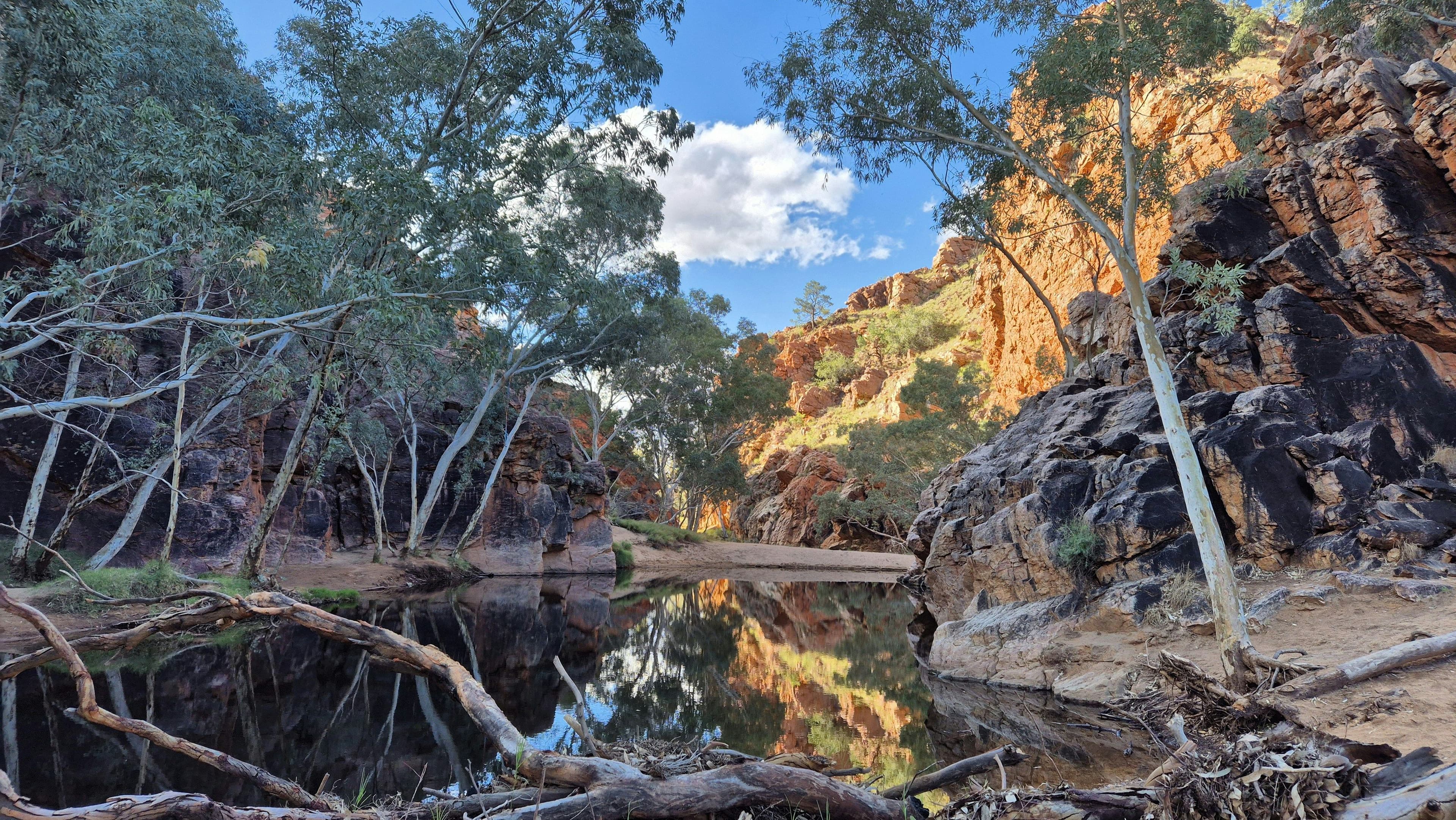
Alice Springs

Discover
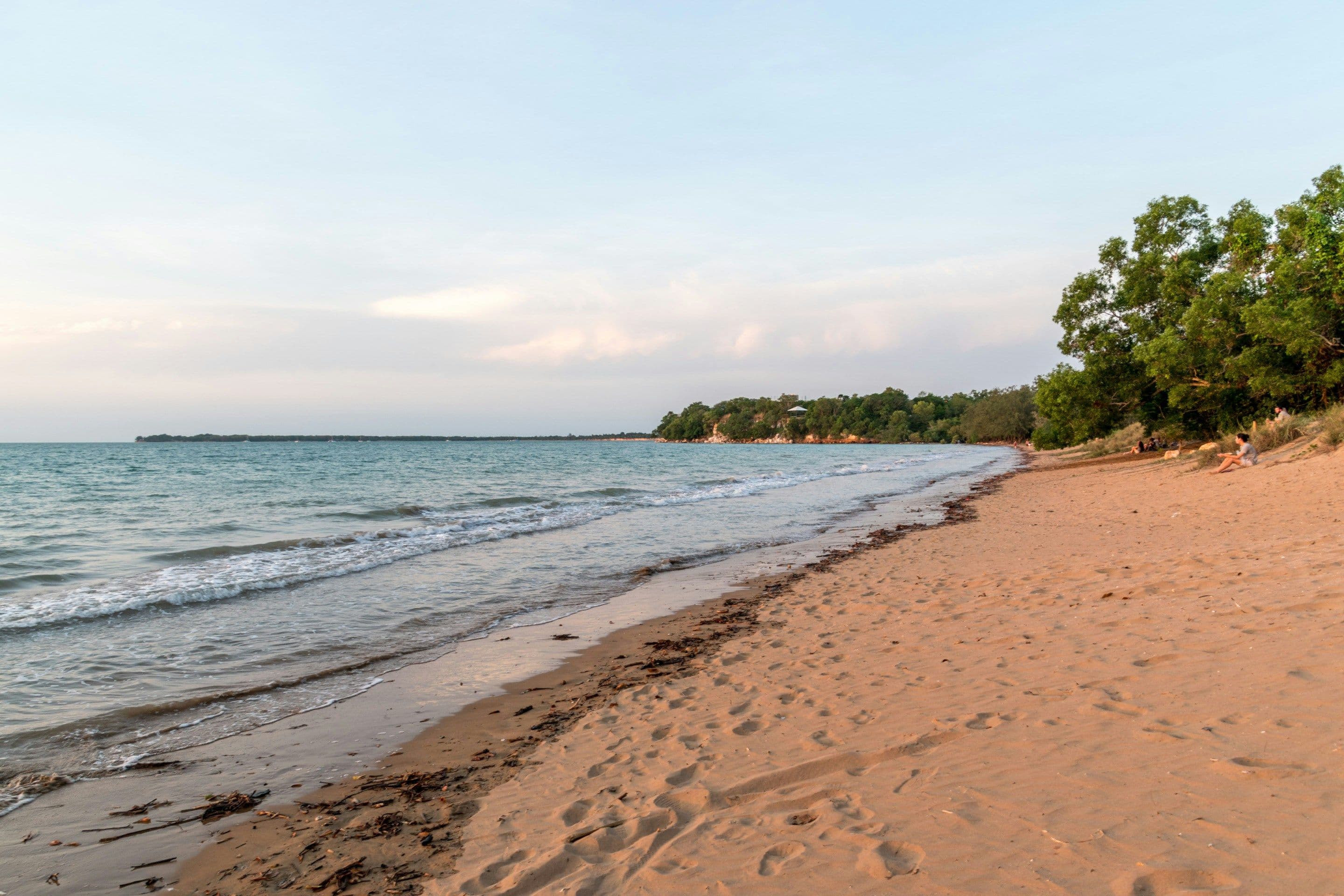
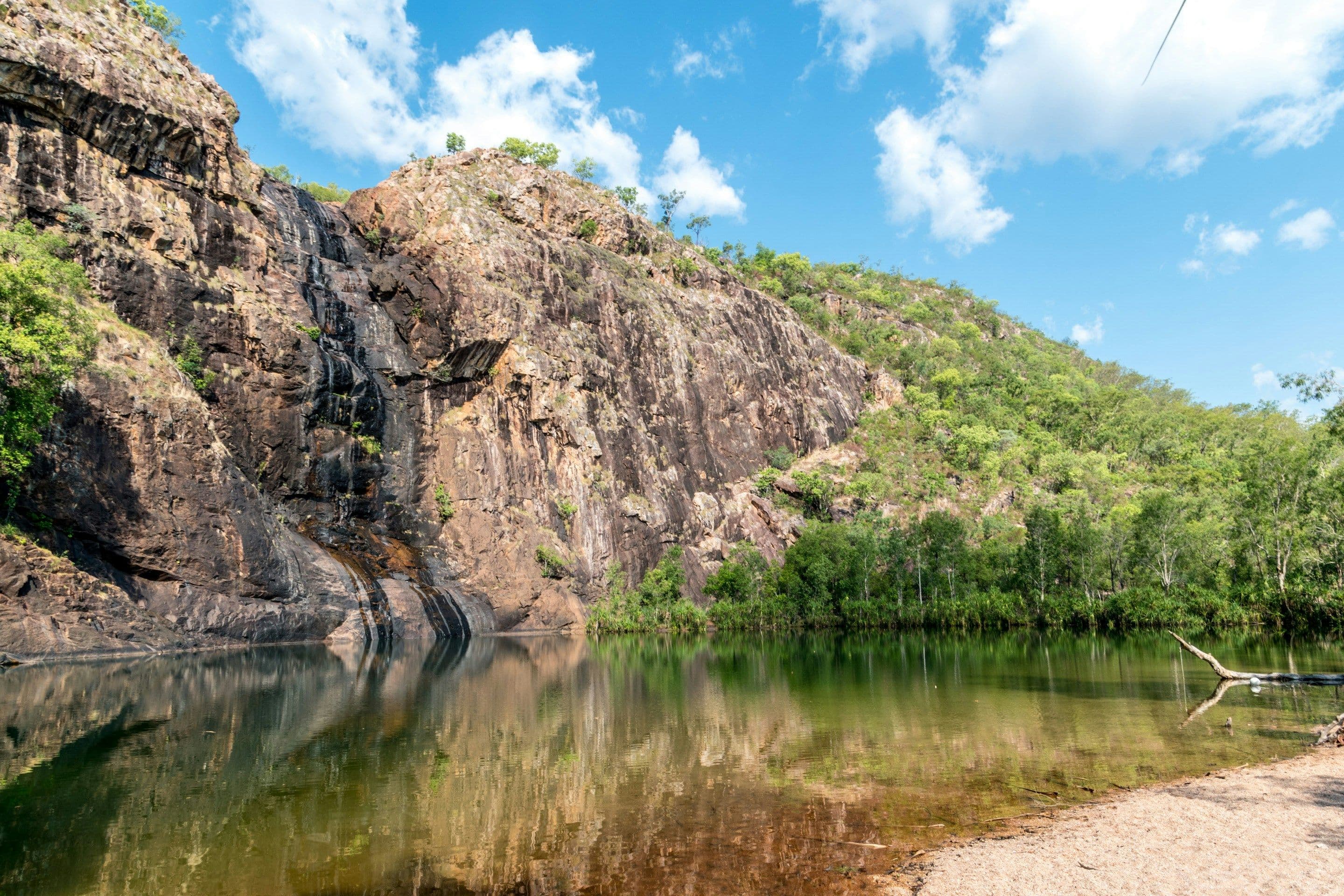
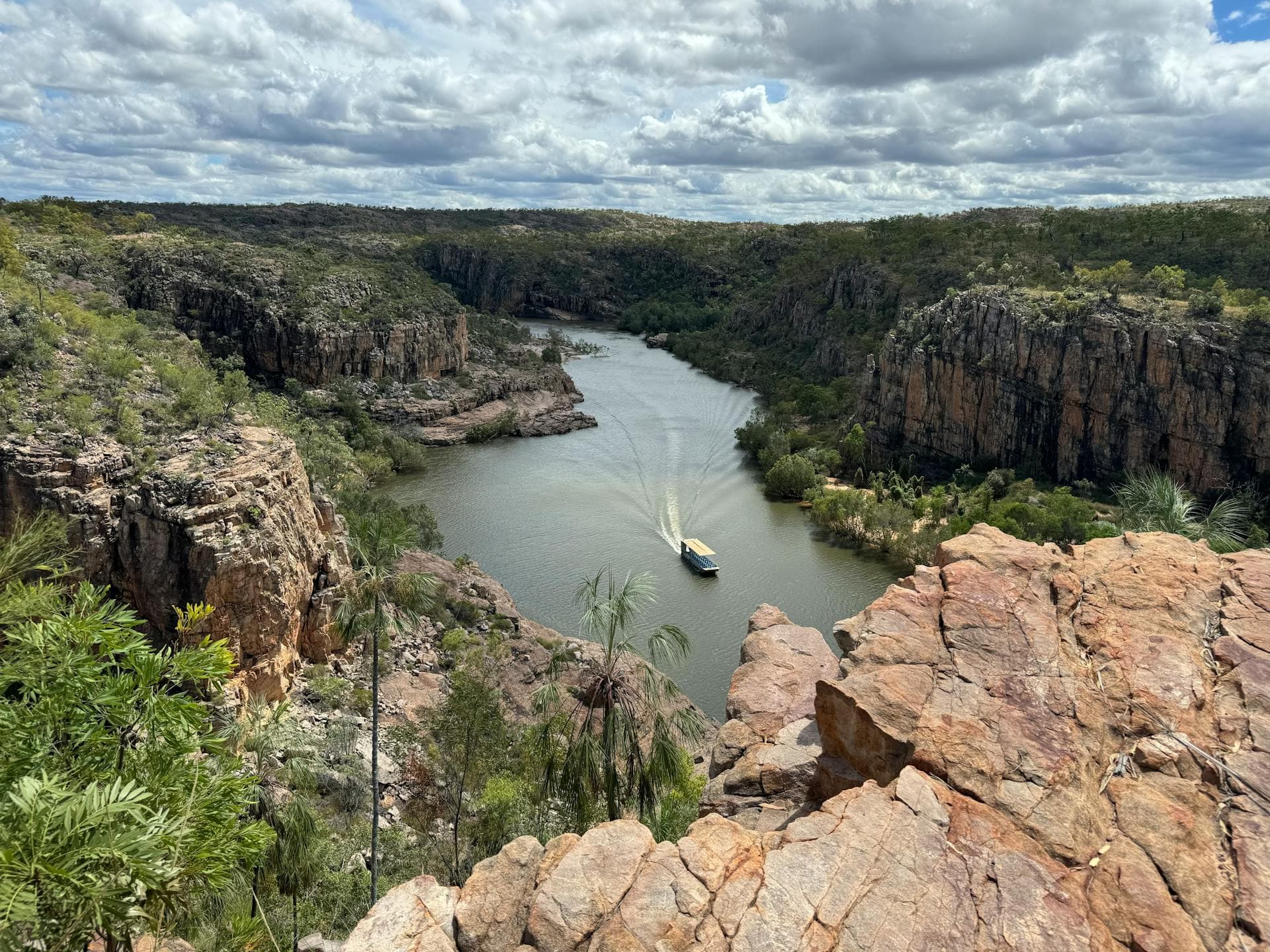
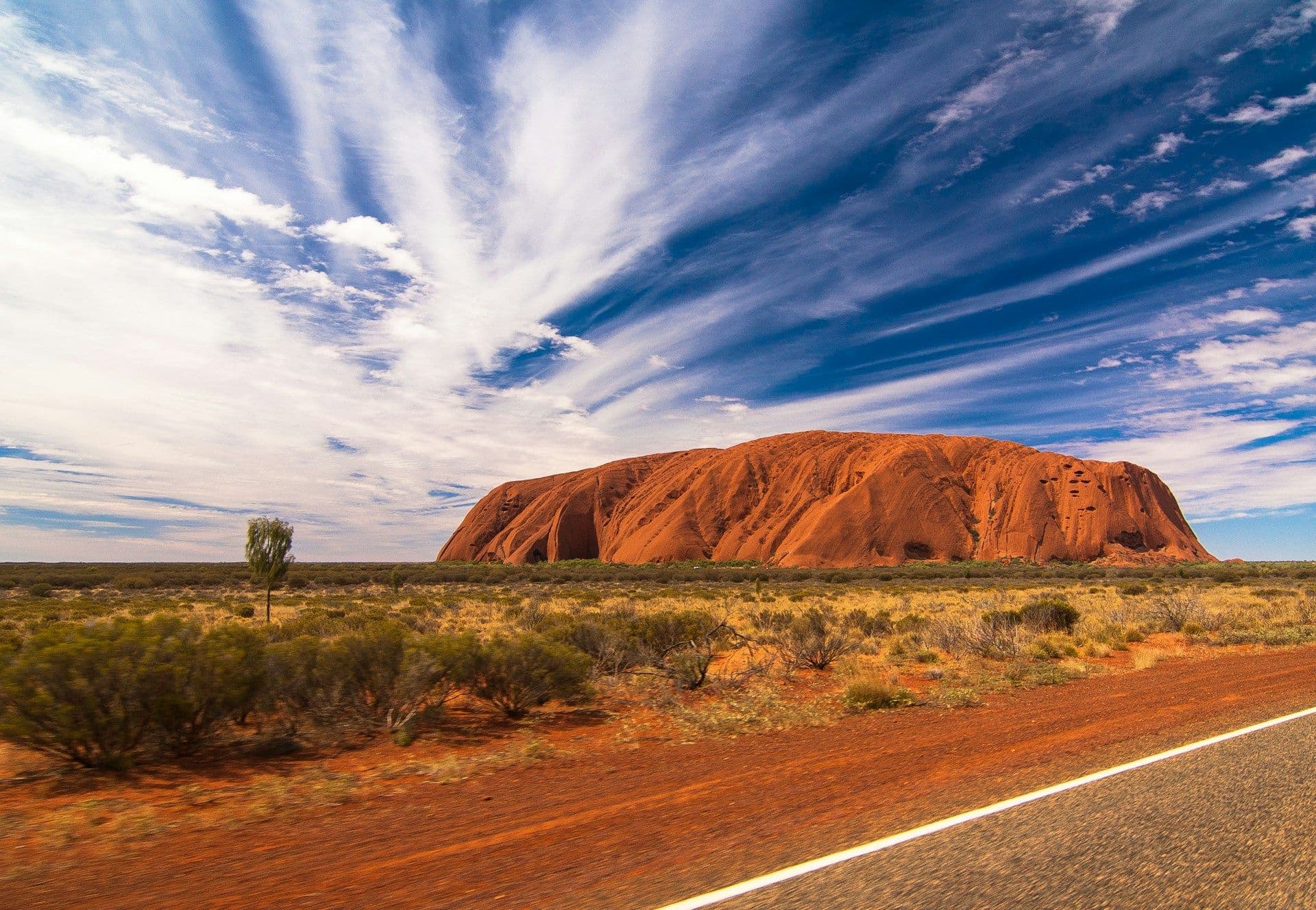
The Northern Territory is defined by scale: long drives between searing red desert, tidal wetlands and rock-scarred ranges. It’s not a hop-on-hop-off state — it rewards planning and patience. You’ll split your time between Darwin’s tropical Top End and the Red Centre around Alice Springs and Uluru. Expect sealed highways between main towns but rough tracks and permits in remote areas; a decent map and extra jerry cans save headaches. Budget hack: cut costs by teaming up for a one-way hire or camper (Darwin–Alice hops are common), cook from Coles/Woolworths in town, and book campsites in Kakadu/Uluru well ahead of dry-season peaks to avoid inflated prices.
Things to know
Top 4 things you need to know before travelling to Northern Territory
Roads are long and services sparse. Darwin to Alice Springs is roughly 1,500 km along the Stuart Highway — plan fuel stops (fill up in major towns like Katherine and Tennant Creek). Hire cars are fine on sealed roads but check rental restrictions before driving unsealed tracks; many companies forbid off-road use. Coaches (Greyhound) and flights link main towns; The Ghan train connects Darwin, Katherine and Alice Springs but sells out in dry season.
Wet season runs roughly November–April. Many roads and park access points close — don’t assume you can reach waterfalls or Arnhem Land. Expect heavy rain, intense humidity and crocodile warnings. Always obey signage and local advice; swimming is only safe at designated croc-free pools or patrolled beaches. Check NT Government road and park alerts before you set out.
A lot of country is on Aboriginal land. You will need permits for places like Arnhem Land and some guided-only areas; Uluru has strict cultural rules (and climbing has been permanently closed). Respect photography restrictions, do the cultural tours operated by Traditional Owners, and book community-guided experiences well in advance to guarantee access.
Supermarkets (Coles, Woolworths) and hardware stores in Darwin, Alice Springs and Katherine are your cheapest resupply points — stock up before heading out. Remote roadhouses charge a premium for petrol and food and may only accept card with higher fees. National park campgrounds and caravan parks fill fast in the dry season (May–Sept) so book early; carry water, a basic repair kit and spare fuel if you plan remote camping.
FAQ
Common questions backpackers ask about Northern Territory
Visit in the dry season, roughly May–September: cooler days, minimal rain, open roads and full access to parks like Kakadu and Litchfield. The wet season (Nov–Apr) closes many routes, brings heavy rain and crocodile/swimmer hazards in the Top End.
Not for major attractions on sealed roads — Darwin, Alice Springs, Uluru and main park circuits are accessible by 2WD. You’ll need a 4WD for remote tracks, river crossings or station stays. Check rental car policies: many companies void insurance for unsealed-road damage.
Budget options are Greyhound coaches and cheap one-way hire cars shared among mates. Flights run regularly but are pricier. If you want the experience, The Ghan rail service links Darwin and Alice with advance-booking discounts, but seats sell out in peak season.
No swimming in unmarked rivers or beaches — saltwater crocodiles are common in the Top End. Swim only in designated, signposted croc-free pools or lifeguarded areas and be wary of stinger season (box jellyfish) along northern coasts between about Oct–May.