Day trips
Uluru
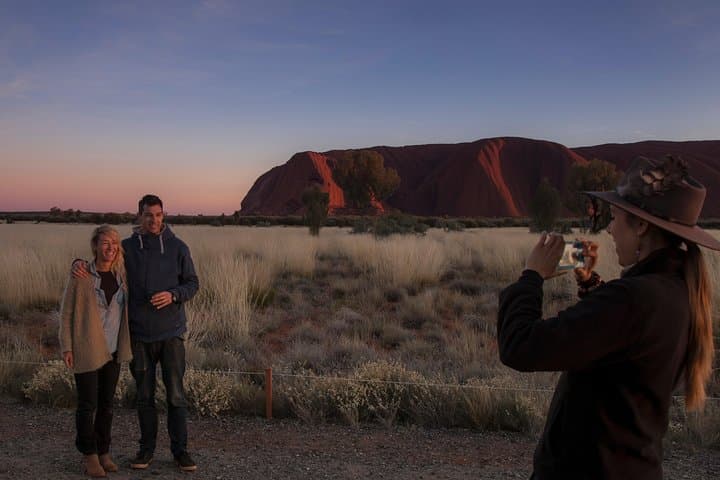
Uluru Day Trip from Alice Springs with Sunset BBQ
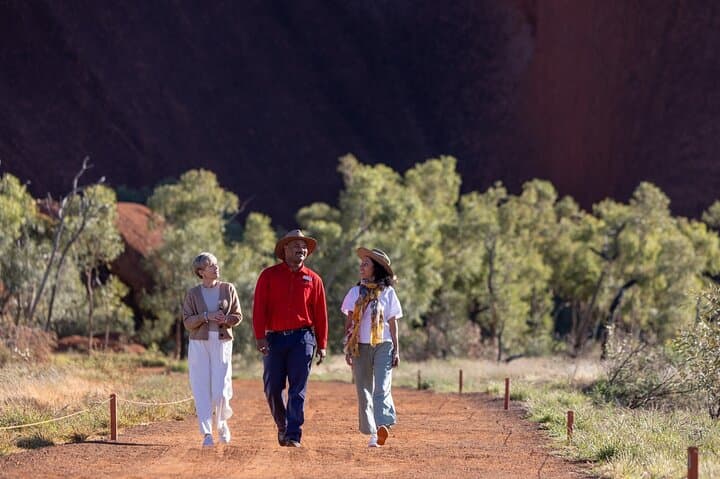
A big day out from Alice Springs with guided Uluru walks, cultural centre visit, sunset views and a BBQ dinner.
18 hours
from
A$407.38

Overview
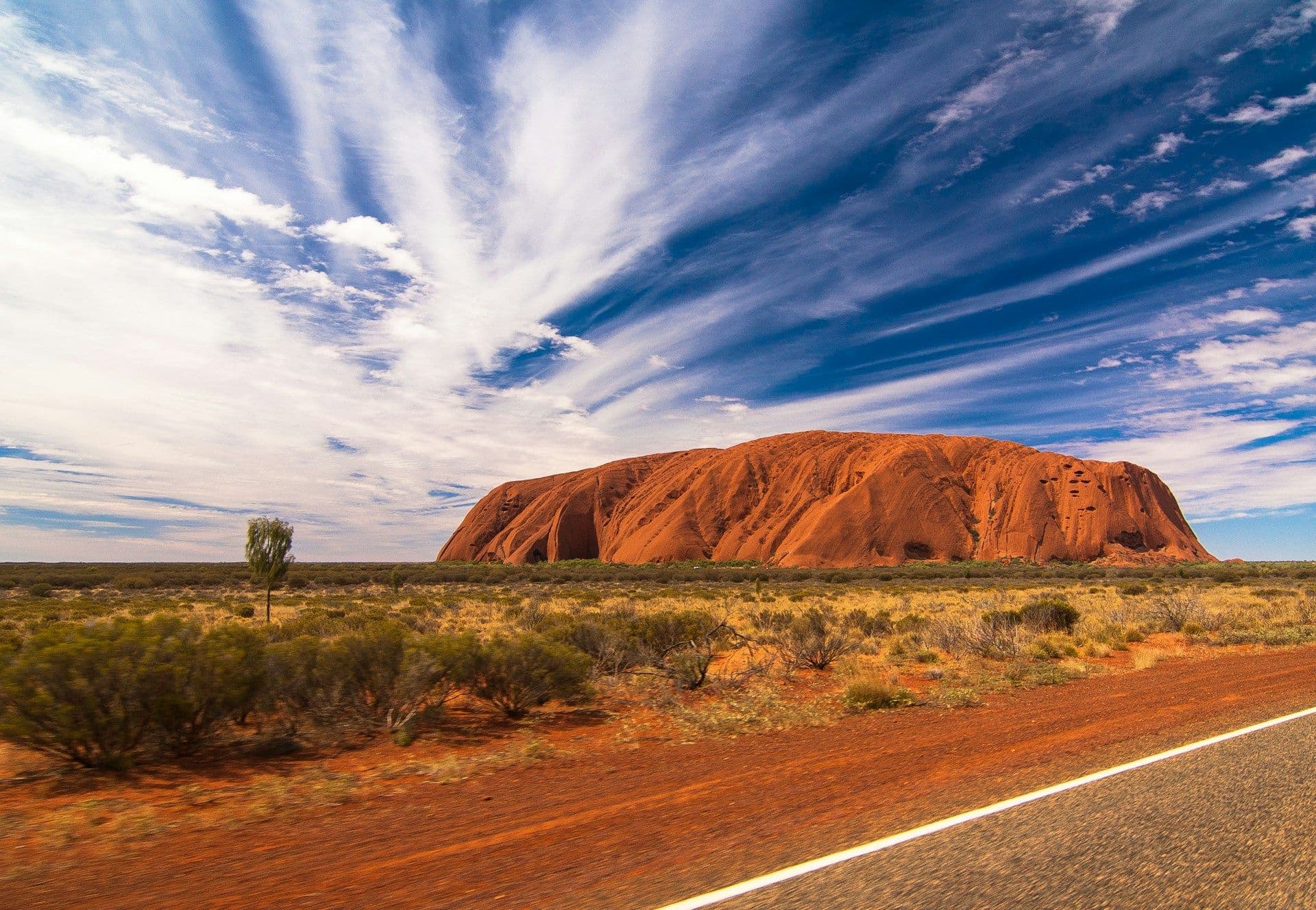
Uluru is the huge sandstone monolith in Australia's Red Centre; access via Yulara with a national park pass, best seen at sunrise or sunset viewing areas.
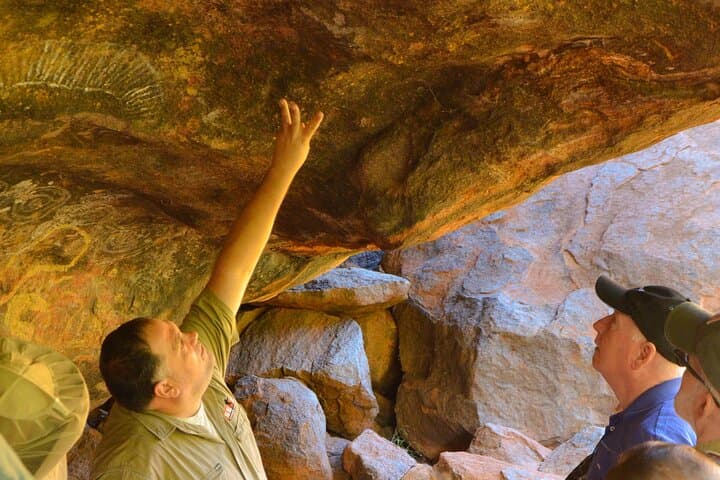
Uluru’s difference isn’t just size — it’s living cultural country. The rock and surrounding landscape are managed by the Anangu people; signage and guided talks explain the sacred sites. Treat it like a classroom, not a photo backdrop. The place is remote: you’ll arrive through Yulara (the service town next to the park) or Ayers Rock Airport. There’s a park entry pass — buy it online or at the visitor centre and carry water; services cost more here than in Alice Springs. Budget hack: buy groceries and fill jerry cans in Alice Springs before the drive. Supermarket prices in Yulara are steep; self-cater and camp at Yulara campground or split a rental car to cut costs.
Things to do
Things to know
Top 4 things you need to know before travelling to Uluru
Uluru–Kata Tjuta National Park requires a visitor pass (buy online or at the park entry/visitor centre). Respect cultural protocols: obey signs, don’t enter restricted areas and avoid photographing flagged sacred sites. Climbing is permanently closed — follow local advice.
Ayers Rock Airport (AYQ) serves direct flights; Alice Springs is about 450km away (roughly a 4.5–5 hour drive). Fuel and services are sparse between towns — top up petrol and water in Alice Springs or Yulara before long drives, and book airport shuttles/tours in advance.
Yulara is the transport and accommodation hub: expect resorts, a campground and budget dorm options. Book campsites or dorm beds well ahead for May–September. Supermarket prices in Yulara are high — buy staples and snacks in Alice Springs to save big.
Desert sun by day, cold nights in winter. Bring sun protection, 2–3 litres of water for the Base Walk (10.6km) and sturdy shoes. Check the visitor centre for heat warnings or trail closures; mobile coverage can be patchy, so download maps and emergency numbers before you go.

Why backpackers love Uluru
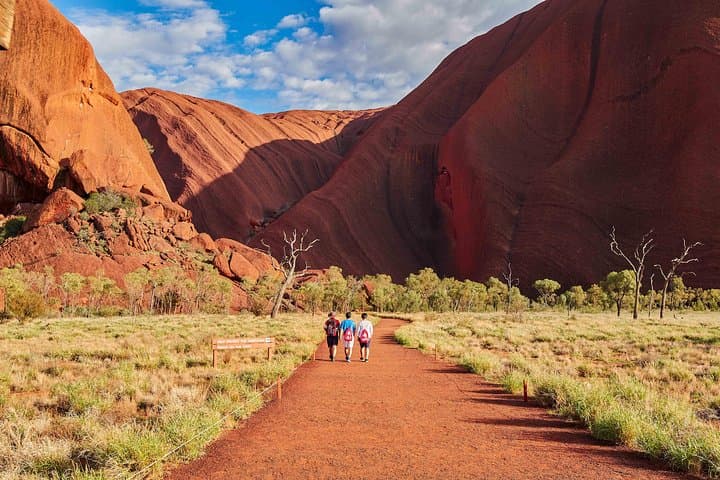
Backpackers come for the scale and the straightforward logistics. Hostels, campgrounds and communal kitchens around Yulara bring people together after long drives or day treks. The Uluru Base Walk (10.6km) is a rite of passage — doable in a day and free.
Getting around is easy once you’re in Yulara: most sites and shuttle pick-ups are within a short drive. Group tours and shared shuttles keep costs down; many travellers split rental cars for Kata Tjuta day trips.
It’s affordable if you plan: cheap flights to Ayers Rock Airport pop up, campground beds beat resort prices, and carrying your own food and water slices your daily spend dramatically.
FAQ
Common questions backpackers ask about Uluru
No. Climbing Uluru has been permanently closed. Instead do the Uluru Base Walk or guided cultural tours run by Anangu rangers to learn about the site respectfully.
Plan 2–3 days: sunrise or sunset viewing, the 10.6km Base Walk, and a day trip to Kata Tjuta. If you’re short on time, a one-night stay with an early-morning sunrise and the base walk covers the highlights.
Cheap options: watch for sale fares to Ayers Rock Airport, book coach transfers from Alice Springs or split a rental car with mates. Book flights and dorm/camp beds 2–3 months ahead for the best rates in peak season.
Yes — Yulara has a supermarket and visitor services, but prices are higher than in Alice Springs. Carry a card and some cash; withdraw larger amounts in Alice Springs to avoid premium pricing.
Explore more destinations around Uluru.